Your cart
There are no more items in your cart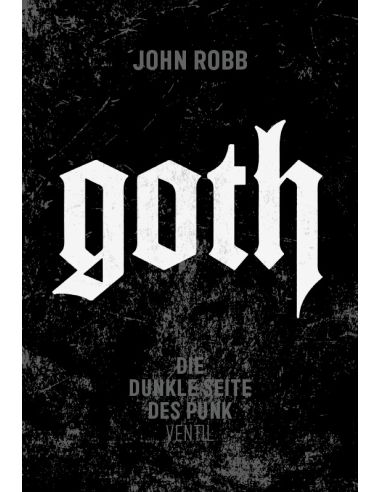
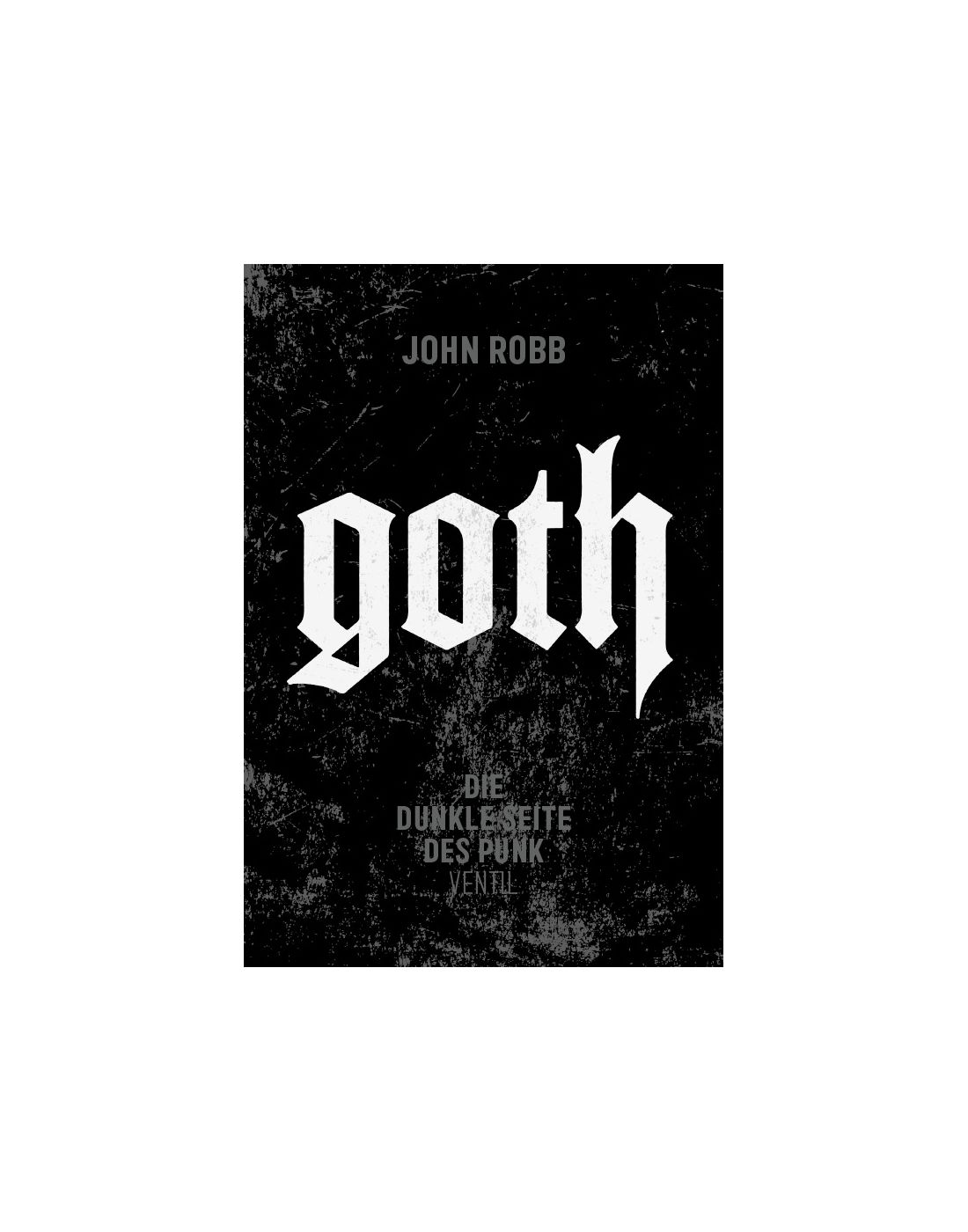
Goth
Die dunkle Seite des Punk
John Robb
Here you can find the complete selection of books, magazines and calendars in our shop.
John Robb's latest work offers a comprehensive overview of goth music and subculture and its enduring significance to this day.
In this seminal work, Robb describes the social, political and pop cultural contexts from which a new, independent youth culture developed in Britain from the late 1970s and then in the early to mid-1980s, parallel to punk and post-punk. Initially nameless, it came to be known as goth. As a contemporary companion to this subculture, Robb describes the peculiarities of this ‘art of darkness,’ which, on the one hand, consciously or unconsciously drew on cultural influences that in some cases stretched far back in time, and on the other hand, tied in with glam, psychedelic, rock “n” roll, punk and post-punk, thus establishing its own tradition.
Robb writes about the distant origins of the Goth phenomenon: the fall of Rome and the Goths, Lord Byron and the Romantic poets, European folk tales, vampires, Gothic architecture and painting, the occult, and draws a line to today's Instagram and TikTok phenomena.
As a music journalist, Robb can draw on a huge pool of original material and, in individual chapters based on interviews, describes in detail the most influential bands such as The Sisters Of Mercy, Killing Joke, Bauhaus, The Cult, Joy Division, The Cramps, New Model Army, Siouxsie & The Banshees, The Damned, Einstürzende Neubauten, Laibach, The Cure, Theatre Of Hate, Virgin Prunes, Fields Of The Nephilim, Nick Cave & The Bad Seeds and many others.
Although goth was originally a primarily British phenomenon with global appeal, Robb also discusses in detail how goth gained a foothold in other European countries (Germany, France, Yugoslavia ...) and how goth took off in the USA with a slight delay, following in the footsteps of the bands there.
‘Goth – The Dark Side of Punk’ is an enormously detailed reference work for anyone who wants to know more about a pop culture phenomenon that is still omnipresent today.
Table of contents
• The doors are open …
• Floorshow: A night at the club
• The fall of Rome
• Deep in the forest – The history of Gothic in Europe
• Mad, bad and dangerous to know – The Romantics and the imagination of Gothic
• Euro Visions
• The devil has the best tunes
• Paint it black – The dark heart of the psychedelic sixties
• All the children are insane, or people are strange – The (un)holy trinity: Doors/Velvets/Stooges
• Wham Bam Thank You Glam! – The dark side of glam rock
• Proto-Post-Punk
• The Punk Wars
• ‘What was once unhealthily fresh is now a clean old hat’ – From post-punk to Public Image Limited
• Spellbound – Siouxsie and the Banshees
• Feel the Pain – The Damned
• Ridicule is nothing to be scared of – Adam Ant
• New Dawn Fades – Manchester & Joy Division
• The wreckers of western civilisation – Industrial Music
• ‘I must fight this sickness ... Find a cure’ – The Cure
• The naughty north and the sexy south
• All we ever wanted was everything – Bauhaus
• Lord of Chaos – a dark & beautiful playground: Killing Joke
• Release the bats! – Nick Cave
• ‘I'm not avant-garde, I'm a deserter’ – Blixa Bargeld, Einstürzende Neubauten and the reinvention of Berlin
• Voodoo idols – The Ballad of Lux and Ivy – Exploring America's dark side with The Cramps and Gun Club
• First, last And always – How Leeds' post-punk scene gave rise to Goth and The Sisters of Mercy
• Vagabonds – Bradford: New Model Army & Joolz
• Flowers in the forest – Southern Death Cult
• Wanted dead or alive – Liverpool: A new (north) west coast sound
• Do you believe in the westworld? – Theatre of Hate
• A new form of beauty: Virgin Prunes, Dublin – How Lypton Village changed a country
• ‘Good poetry can still resonate louder than a thousand guns.’ – Rammstein for adults: Laibach
• At the gates of silent memory – Fields of the Nephilim
• Darklands – How dark energy infected indie
• We sing to the gods to be free – American Gothic and the dark art of the American dream
• Trans Europa Express
• In the flat field – The rebirth of goth in the suburbs
• Apocalypse now! – Goth's end days
• Name register
You might also like