Your cart
There are no more items in your cart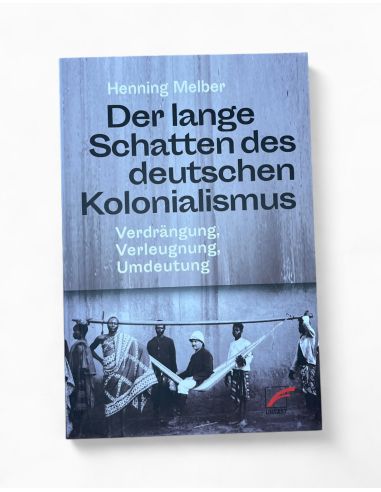
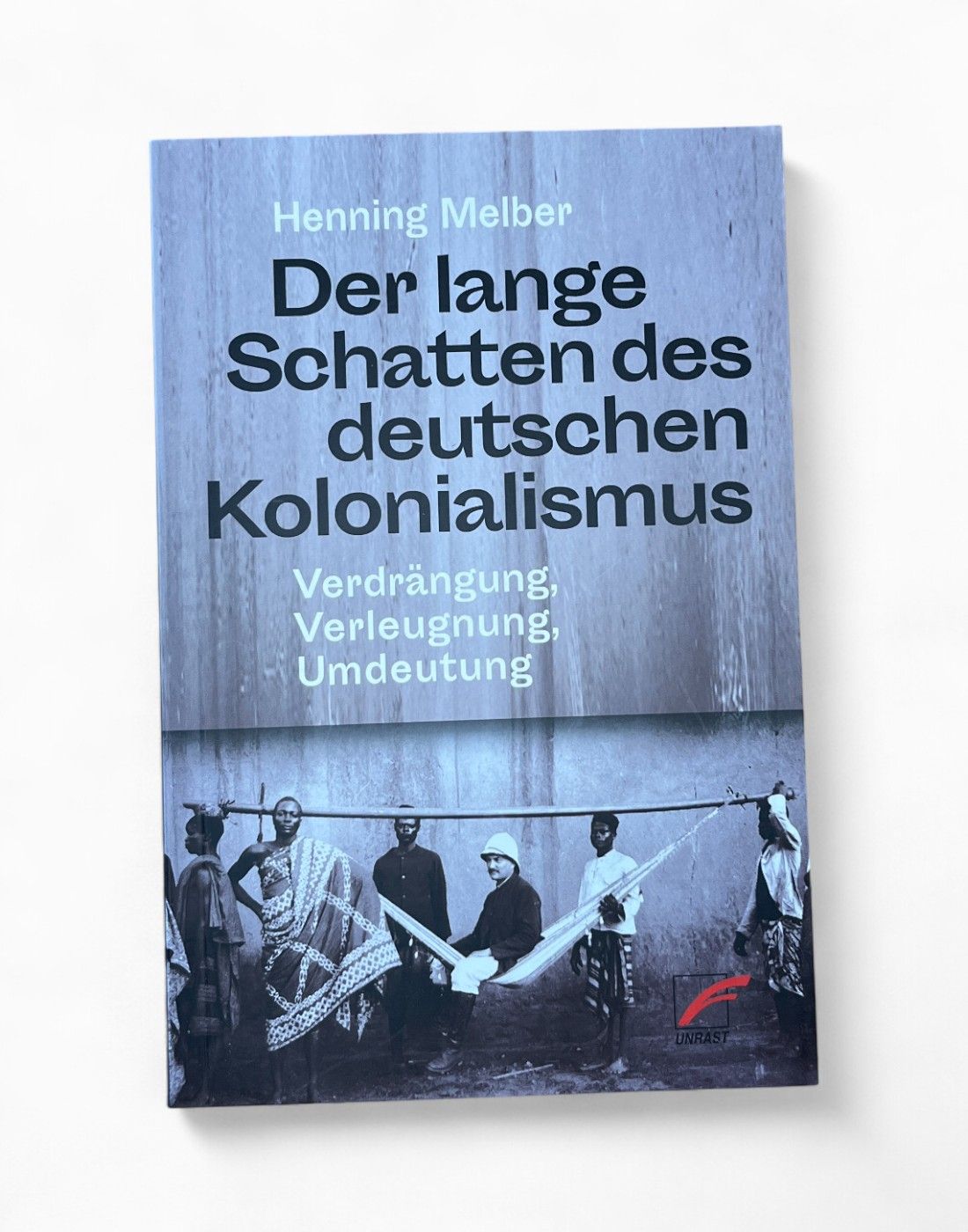
Henning Melber
Der lange Schatten des deutschen Kolonialismus
Verdrängung, Verleugnung, Umdeutung
Here you can find the complete selection of books, magazines and calendars in our shop.
From 1884 to 1914, the German Empire had the fourth largest overseas colonial empire in the world. However, this fact is hardly known, and only a few school textbooks deal with German colonialism as a topic.
While debates about the impact of empire on former colonies and colonised societies have been going on for some time in France and Great Britain, the public has only recently become interested in dealing with German imperialism. It was not until 2015 that the German government half-heartedly acknowledged for the first time that the policy of extermination carried out between 1904 and 1908 in the settler colony of German South West Africa (now Namibia) should be classified as genocide.
However, the recent revival of the debate about Germany's colonial past is being hampered by continued repression, denial and a populist right wing that is attempting to impose revisionist reinterpretations of Germany's colonial past. A campaign against postcolonial studies has sought to denounce and marginalise any serious examination of the crimes of the imperial era.
Henning Melber provides a comprehensive and unsparing overview of the history of German colonial rule and analyses how its legacy is perceived and debated in German society, politics and the media. He also addresses the everyday experiences of Afro-Germans, the restitution of looted cultural assets and the impact of colonial history on important institutions such as the Humboldt Forum.
‘An extremely engaging, analytically brilliant study of German colonialism.’ – Joachim Zeller | Zeitschrift für Geschichtswissenschaft
‘In his book, Henning Melber takes a relentless look at Germany's unresolved colonial history. (...) One hopes this book will find a wide readership.’ – Dominic Johnson | taz
‘His book reveals in frightening detail the horror of the German colonial empire overseas and meticulously examines Germany's ongoing failure to acknowledge its racist colonial past. This is urgent and widely needed reading.’ – Susan Williams
You might also like